
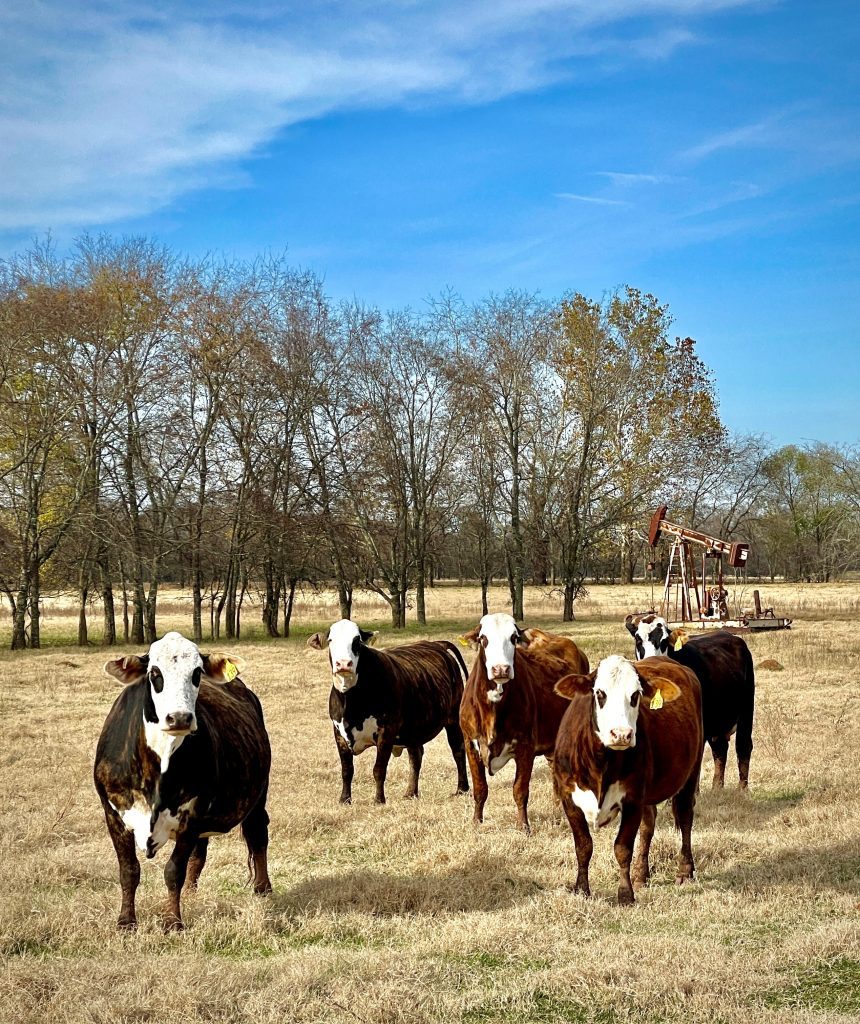
Let’s talk about something different, but at the same time something very related, methane emission from cattle. The livestock industry has been under scrutiny for its contribution to greenhouse gas emissions, particularly methane from cattle. However, revolutionary advances in animal feed science are showing promising results in reducing these emissions significantly. Today we are going to pivot from talking about the methane coming from abandoned wells and will look a bit more into cows and their natural methane production. Let’s explore the latest innovations in cattle feed that are helping to create a more sustainable future for agriculture.
Understanding the Problem
Cattle produce methane primarily through enteric fermentation – a digestive process where microorganisms break down feed in the cow’s rumen. This natural process accounts for about 27% of all methane emissions from human activities, making it a crucial area for environmental innovation.
Breakthrough Feed Additives
Scientists have developed several effective feed supplements that can reduce methane emissions from cattle. Here are some of the most promising innovations:
• Seaweed Supplements (Asparagopsis taxiformis): Reduces methane emissions by up to 80%
• 3-Nitrooxypropanol (3-NOP): Decreases emissions by approximately 30%
• Essential Oils: Can reduce methane production by 10%+
• Garlic Compounds: Show potential for 20% reduction in emissions
How These Solutions Work
The mechanism behind these feed additives varies, but they generally work by:
• Inhibiting methane-producing microorganisms in the rumen
• Modifying fermentation patterns
• Improving feed efficiency
• Redirecting hydrogen away from methane production
Additional Benefits
These innovative feed solutions offer multiple advantages beyond methane reduction:
• Improved feed conversion efficiency
• Potential increase in milk production
• Better overall animal health
• Cost-effective implementation for farmers
Implementation Challenges
While these solutions show great promise, there are several factors to consider for widespread adoption:
• Cost of supplements
• Availability of ingredients
• Regulatory approval processes
• Integration into existing feeding systems
• Farmer education and acceptance
Future Developments
Research continues to advance in this field, with several promising areas under investigation:
• New strain development of seaweed species
• Enhanced feed formulations
• Natural feed additives
• Genetic selection for lower-emitting cattle
• Precision feeding technologies
Economic Impact
The adoption of these solutions can provide significant economic benefits:
• Reduced feed costs through improved efficiency
• Potential carbon credits or incentives
• Enhanced market access due to sustainability credentials
• Improved consumer perception and market demand
Conclusion
The development of methane-reducing feed additives represents a significant breakthrough in sustainable agriculture. As these solutions continue to evolve and become more widely available, they offer a practical and effective way to reduce the environmental impact of cattle farming while maintaining or improving production efficiency.
This breakthrough in reducing methane emissions from cattle is incredibly encouraging. It highlights how innovation and scientific advancements can create solutions that benefit both the environment and vital industries like agriculture. As we continue to explore new ways to curb methane emissions in areas like cattle farming, it’s equally crucial to address existing sources of methane release. Our organization’s work in plugging abandoned oil and gas wells plays a critical role in this effort, mitigating a significant source of methane leakage and contributing to a cleaner, healthier atmosphere. By combining cutting-edge solutions with targeted action, we can make substantial progress in reducing methane emissions and combating climate change.