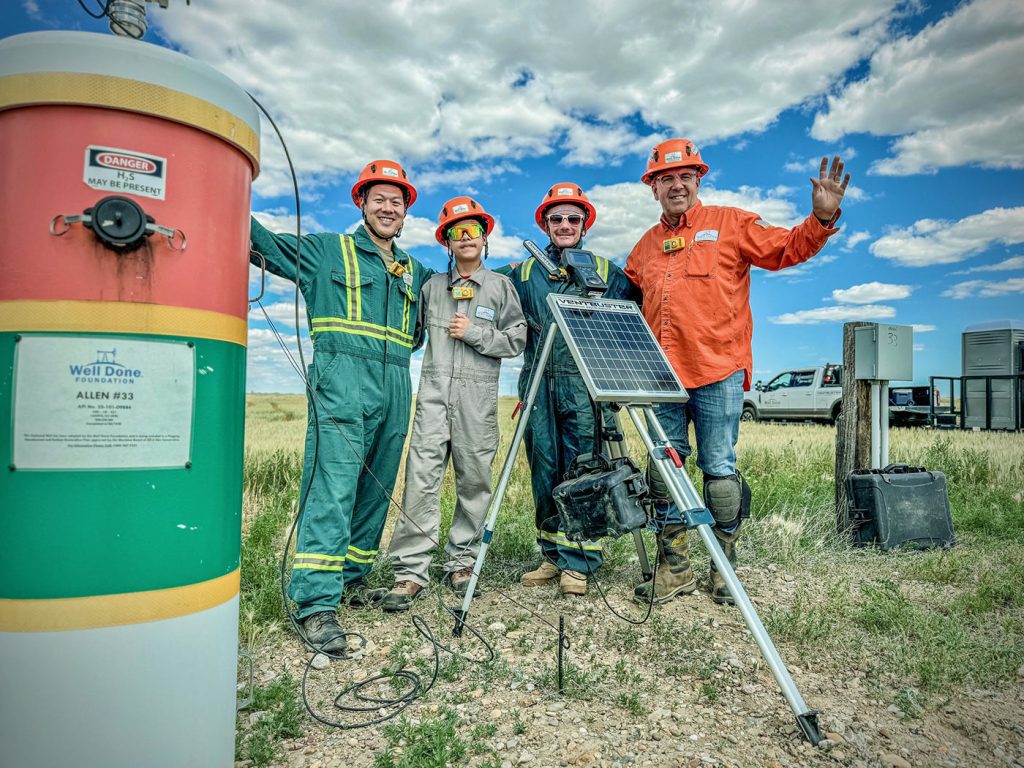
Curtis Shuck, founder of the Well Done Foundation, has a passion for capping abandoned and orphaned oil wells. This dedication isn’t solely about combating climate change; it’s about fostering a healthier future and stimulating economic growth in local communities. One of our Field Experience members, Mark Chen, who spent time in the field with his son Andrew, shares their experience:
“Spending a few days in the field with the Well Done Foundation was a profound experience for both me and my son, Andrew. Curtis’s dedication to capping abandoned and orphaned oil wells is not just about climate change—it’s about securing a healthier future and developing economic opportunities for the surrounding communities. The hands-on exposure we got surveying and sampling wells highlighted the importance of accurate measurement and digging into the details of specific projects. Supporting the Well Done Foundation means investing in our planet’s well-being for generations to come.”
What is Well Capping and Why is it Important?
Well capping is the process of sealing abandoned or orphaned oil and gas wells to prevent the release of methane and other harmful greenhouse gases into the atmosphere. These gases contribute significantly to climate change, so capping wells is a crucial step in mitigating its effects.
The Well Done Foundation’s Role in Fighting Climate Change
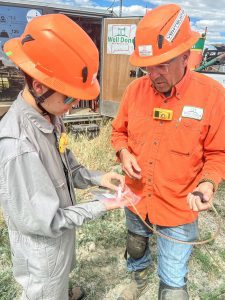
The Well Done Foundation is a non-profit organization dedicated to capping orphaned and abandoned oil and gas wells. By doing so, they directly address a major source of greenhouse gas emissions, making a tangible difference in the fight against climate change.
Beyond Climate Change: Other Benefits of Well Capping
In addition to its climate benefits, well capping:
- Protects groundwater: Abandoned wells can leak pollutants into underground water sources, contaminating drinking water and harming ecosystems.
- Improves air quality: Methane and other emissions from abandoned wells can contribute to air pollution, affecting human health and the environment.
- Creates jobs: The Well Done Foundation’s work provides employment opportunities in the communities where they operate, boosting local economies.
- Restores land: Capping wells allows for land reclamation, opening up possibilities for new development or conservation efforts.
How You Can Help Fight Climate Change
Supporting the Well Done Foundation means investing in our planet’s well-being. You can help by:
- Donating: Your financial contributions directly support well capping projects and help expand the Foundation’s reach.
- Volunteering: Join the team in the field and gain hands-on experience in well capping and environmental conservation.
- Spreading the word: Share the Well Done Foundation’s mission with your network and help raise awareness about the importance of well capping.
By supporting the Well Done Foundation, you are contributing to a healthier future for our planet and future generations.