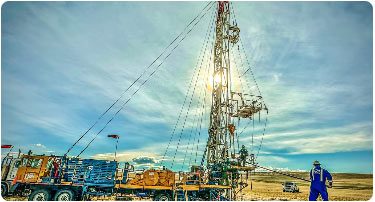
When we talk about tackling climate change, carbon dioxide often dominates the conversation. But there’s another potent greenhouse gas, far more impactful in the short term, that deserves our urgent attention: methane. At the Well Done Foundation, our core mission is to plug abandoned oil and gas wells, which are often silent, heavy-volume emitters of this powerful gas. And a key part of how we fund this crucial work involves something you might not have heard of: methane carbon credits, often referred to as CO2e (carbon dioxide equivalent) credits.
What Are Methane Carbon Credits (CO2e Credits)?
So, what exactly are methane carbon credits? In essence, they are measurable, verifiable units representing the reduction or removal of a specific amount of methane from the atmosphere. While the emission avoidance is methane, we typically refer to these as CO2e carbon credits to standardize their value within the broader carbon market.
Think of it this way: when we successfully plug an abandoned well that was continuously leaking methane, we prevent a significant amount of that harmful gas from entering the atmosphere. This reduction in emissions can then be quantified and converted into carbon credits. One methane carbon credit represents the equivalent climate benefit of removing a certain amount of carbon dioxide, adjusted for methane’s much higher global warming potential over a shorter timeframe. This means that a methane emission reduction delivers a powerful climate benefit, which is then translated into a CO2e credit that buyers can easily understand and utilize.
How Do They Help Combat Climate Change?
The impact is two-fold. Firstly, by reducing methane emissions, we directly mitigate a major contributor to global warming. Methane is up to 80 times more potent than carbon dioxide (depending on how high it is in the atmosphere) over a 20-year period, meaning that stopping these leaks provides an immediate and substantial benefit to the climate.
Secondly, these CO2e credits, generated from methane reductions, create a crucial financial incentive for projects like ours. Companies or individuals looking to offset their own carbon footprint can purchase these credits, thereby investing directly in tangible climate action. This allows them to support projects that are actively removing greenhouse gases, rather than just reducing future emissions. For buyers specifically targeting methane reductions, our credits offer a direct and impactful way to achieve their goals.
Fund Real Climate Action: Donate to Well Done Foundation
When you choose to donate to us, you’re not just buying a certificate; you’re directly funding the plugging of another methane-spewing abandoned well. You’re enabling us to stop massive methane leaks, clean up communities, and make a measurable, immediate impact on climate change. It’s a powerful way to contribute to a healthier planet while knowing exactly where your investment is going: to boots on the ground, plugging wells, and making a real difference. Join us in transforming these environmental liabilities into climate solutions.