Methane vs. CO2: Why Methane is the “Sprint” of Climate Change
When we talk about climate change, Carbon Dioxide (CO2) usually gets all the headlines. But at the Well Done Foundation, we focus on a different “greenhouse gas” (GHG) that is far more potent in the short term: Methane (CH4).
Think of it this way: if CO2 is the long-distance marathon runner of climate change, Methane is the Olympic sprinter. It hits the atmosphere with incredible force and traps heat at a rate that CO2 simply can’t match.
The “Potency Gap”: How Methane Traps More Heat
While CO2 is the most abundant greenhouse gas, Methane is much more efficient at trapping heat because of its molecular structure. Scientists use a metric called Global Warming Potential (GWP) to compare how different gases affect the planet.
- Over 100 years: Methane is roughly 28-30 times more potent than CO2.
- Over 20 years: Methane is a staggering 80-86 times more potent than CO2.
Because Methane has more chemical bonds than CO2, it can “vibrate” in more ways, allowing it to absorb more infrared energy that would otherwise escape into space. You can read more about the science of these “molecular dance moves” at MIT Climate.
The Good News: Methane Leaves Quickly
There is a silver lining. CO2 can stay in our atmosphere for centuries or even millennia. Methane, however, has a much shorter lifespan—averaging about 12 years.
This is why plugging orphaned wells is such a high-impact move. Since Methane is so potent but short-lived, stopping leaks right now provides an immediate “cooling” effect for the planet that we won’t see from CO2 reductions for decades. The U.S. EPA notes that reducing methane is one of the fastest ways to slow the rate of global warming.
Beyond the Atmosphere: Local Community Impact
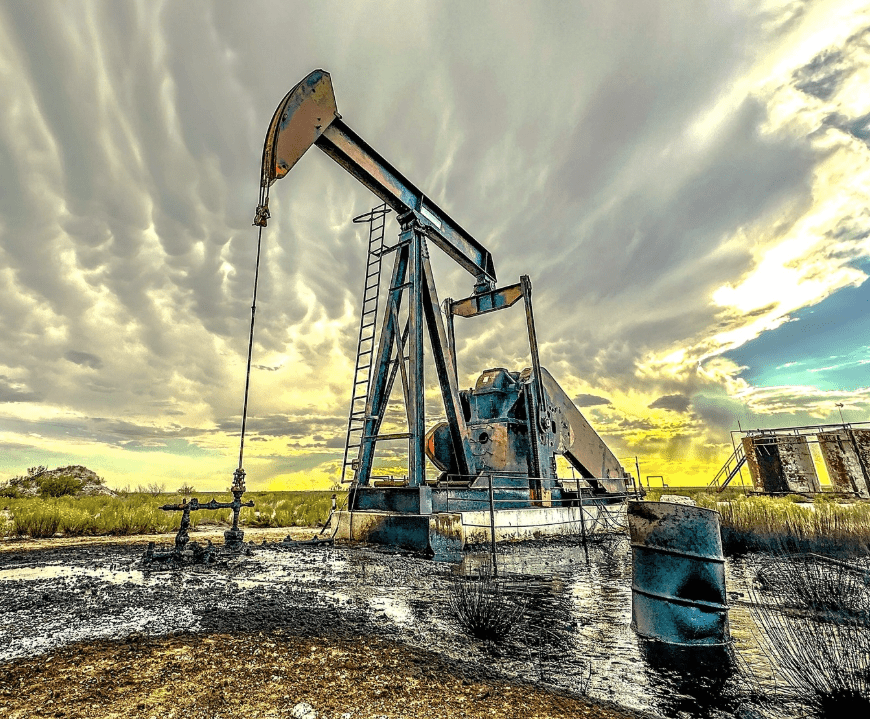
Unlike CO2, which is generally odorless and harmless to breathe at normal levels, the Methane leaking from orphaned wells often comes with “hitchhikers”—toxic chemicals like benzene and hydrogen sulfide. These leaks don’t just warm the planet; they contaminate local air, degrade soil quality, and can seep into the groundwater that families rely on for drinking.
Ready to offset your impact? View our available Carbon Credit projects here.